
Lamont and the EI host a wide collection of regular seminars and events. Follow the below links to our various seminar, colloquia and events pages. The most recent news and events related to our group are also provided in the regularly updated list of links on this page.
News
The way that plants and trees respond to a warming climate and increasing levels of atmospheric CO2 has a significant impact on how they use water.
But will this leave more or less freshwater available for societies to use? That millions of people suffer from life-threatening water stresses in the current climate tells us that the answer to this question really matters.
Our new study, published in Nature Geoscience, attempts to shed light on this complicated picture.
Justin Mankin, a former postdoctoral fellow in the Paleodynamics Lab, has published a paper in Nature Geosciences on the role of plants in future freshwater availability. Plants are expected to generate more global-scale runoff under increasing atmospheric carbon dioxide concentrations by reducing evapotranspiration. Recent studies using Earth System Models from phase 5 of the Coupled Model Intercomparison Project ostensibly reaffirm this result, further suggesting that plants will ameliorate the dire reductions in water availability projected by other studies. Justin's work complicates…
The amount of greenhouse gases being emitted into Earth's atmosphere has reached such a high level that it will take major changes around the world to mitigate the effects on climate change, experts say.
Greenhouse gasses such as carbon dioxide, which trap the sun's heat, are the "most significant driver of observed climate change since the mid-20th century," according to the U.S. Environmental Protection Agency. Read More
With experts warning that the global climate crisis is becoming more and more dire, scientists and environmental activists say they are turning to the public to help effect change before it's too late.
The planet is emitting nine gigatons of carbon every year, and that amount increases annually, Jason Smerdon, a climate scientists for Columbia University's Lamont Doherty Earth Observatory, told ABC News. By other estimates, the amount could be more than 30 gigatons a year. Read More
Note: The estimates for carbon emissions in the above article are different because…
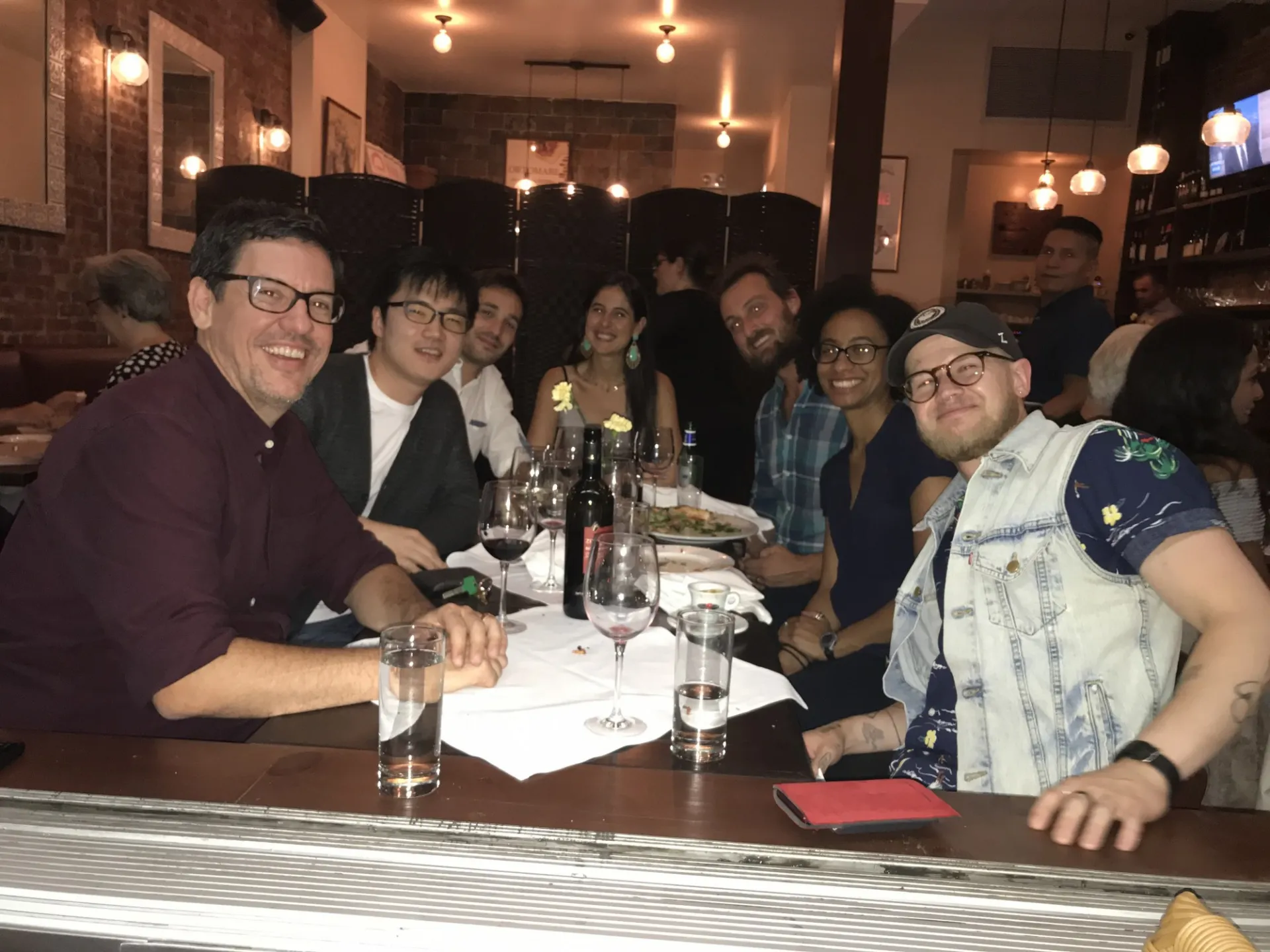
Sloan Coats visited Lamont to give the OCP Seminar on September 20th. The title of his talk was A Story of Mega Droughts: New methods that highlight novel pathways for solid earth-climate coupling (see his talk abstract below). Sloan finished his PhD in the PaleoDynamics Lab in 2015 and is starting a tenure track faculty position at the University of Hawaii this fall (he was previously a Staff Scientist at the Woods Hole Oceanographic Institution). Sloan's visit was an occasion to gather lab members and collaborators for an evening dinner. Hun Baek, Arianna…
The Lamont-Doherty Earth Observatory is now accepting applications for 2020 Lamont Postdoctoral Fellowships (deadline is November 11th, 2019). The Earth Institute is also accepting applications for 2020 Earth Institute Postdoctoral Fellowships (deadline is October 30th, 2019). Our lab has mentored postdocs from both of these programs and we welcome your interest in pursuing research that you independently develop and pursue. Contact Prof. Jason Smerdon if you would like more information on working in our lab as a Lamont or EI postdoc.
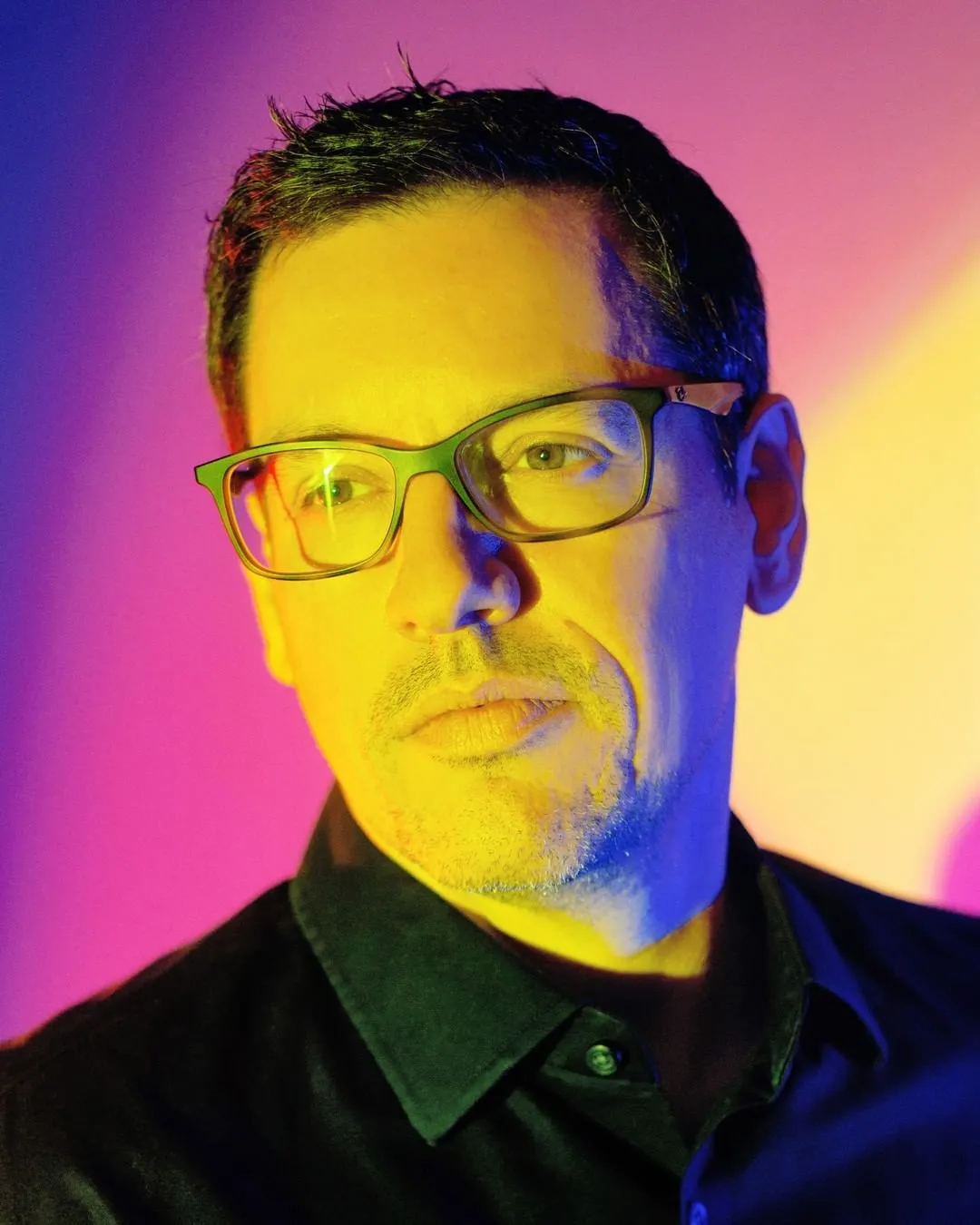
When Jason Smerdon opened up a retirement account as a postdoctoral fellow a decade and a half ago, he gravitated toward socially responsible stock funds, despite the possibility of weaker returns. He figured his ideals were more important than investment performance.
Fast forward 15 years, and his investment philosophy is no longer as black and white. Read More
Multidecadal “megadroughts” were a notable feature of the climate of the American Southwest over the Common Era, yet we still lack a comprehensive theory for what caused these megadroughts and why they curiously only occurred before about 1600 CE. Nathan Steiger, a research scientist in the PaleoDynamics Lab, has published a paper using the Paleo Hydrodynamics Data Assimilation (PHYDA) product, in conjunction with radiative forcing estimates, to determine the causes of megadroughts in the American Southwest. He and coauthors report strong evidence that these droughts were driven…
Widespread summer droughts across the contiguous UnitedStates (pan-CONUS droughts) pose unique challenges because of their potential to strain multiple water resources simultaneously and the significant financial damages that they impose. For example, pan-CONUS droughts in 1988 and 2012 cost an estimated $40 and $30 billion, respectively. Hun Baek, a graduate student in the PaleoDynamics Lab, has studied these droughts in detail, first using atmospheric model simulations to study the causes of these droughts over the last ~150 years. In a new paper, Hun has now provided…
At The End Of Its Second Year, How Can The Sustainable Leaders Network Better Engage Undergraduates?
Take a look at that syllabus your teacher handed out at the start of this year. If your professor teaches at one of the 12 schools, departments, or locations that have been certified through the Sustainable Leaders Network’s Workplace Certification, that syllabus is most likely printed on 100 percent recycled paper. And that business card you got from a professor in the School of Nursing? It’s probably made up of at least 30 percent postconsumer waste content.
The Sustainable Leaders Network was created in 2016 alongside University President Lee Bollinger’s announcement of Columbia’s…
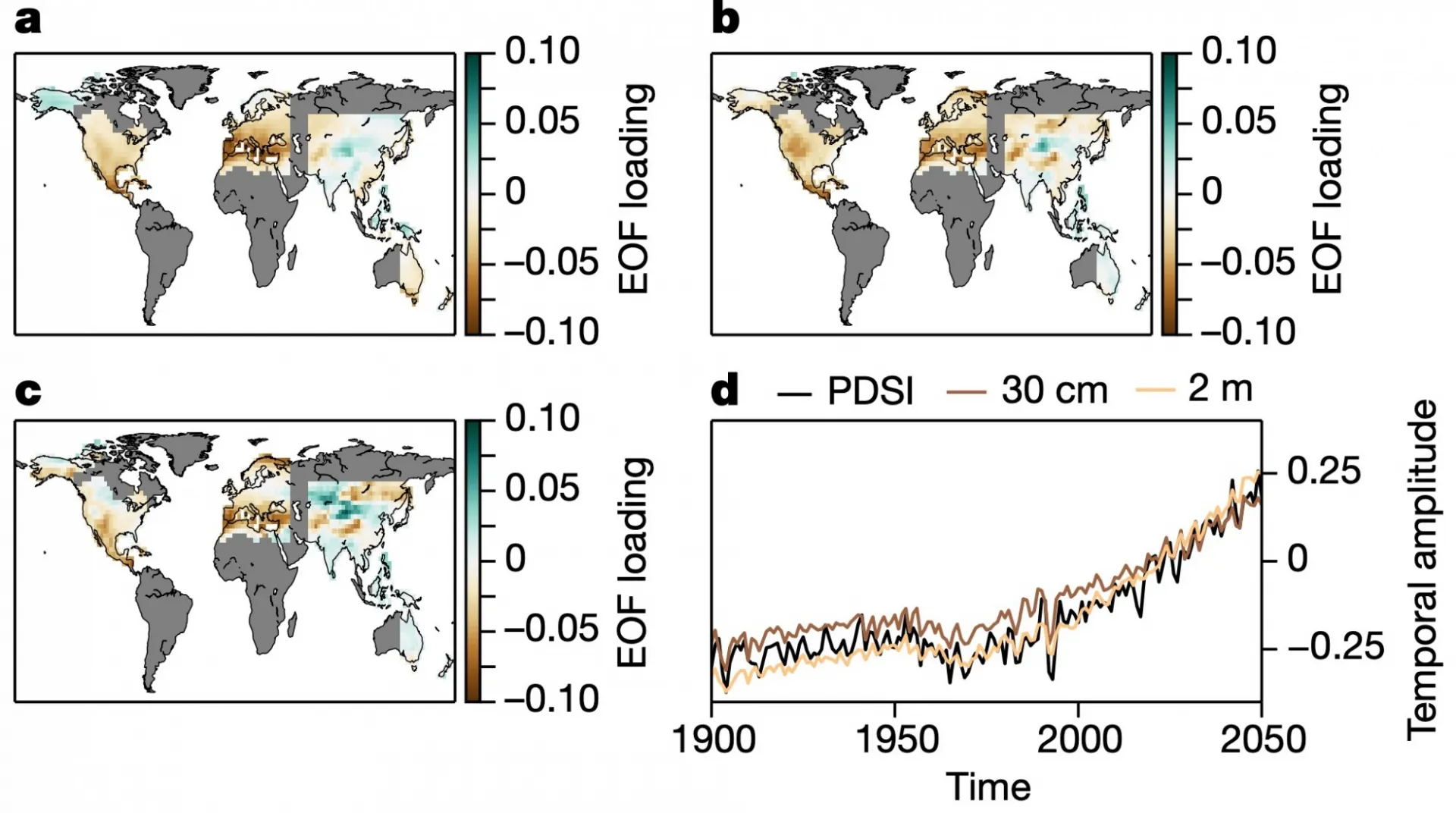
In an unusual new study, scientists say they have detected the fingerprint of human-driven global warming on patterns of drought and moisture across the world as far back as 1900. Rising temperatures are well documented back at least that far, but this is the first time researchers have identified resulting long-term global effects on the water supplies that feed crops and cities. Among the observations, the researchers documented drying of soils across much of populous North America, central America, Eurasia and the Mediterranean…